Why bonfires are lit
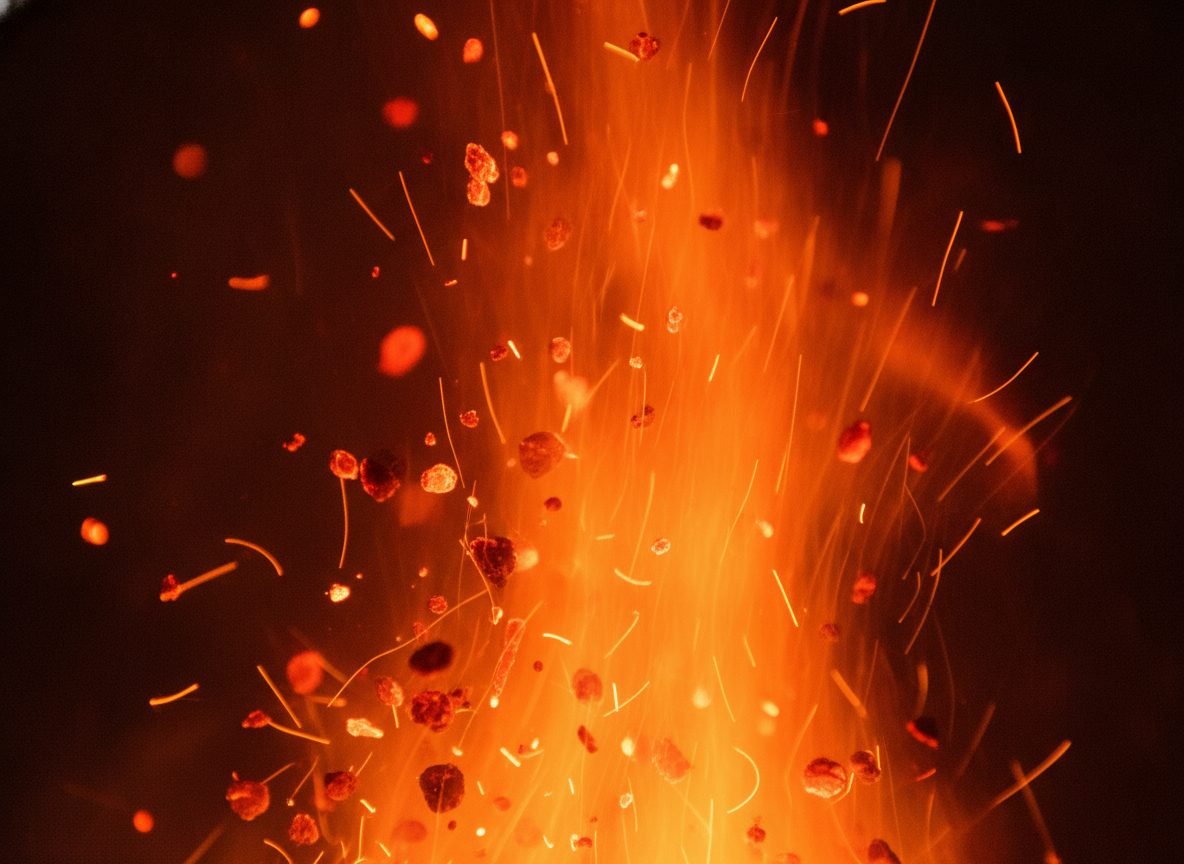
The chief custom of Lag BaOmer is the bonfire (medura). They are lit in memory of Rabbi Shimon bar Yochai: it is said that on the day of his passing the world was filled with light, as if the flame of his teaching had blazed up.
For weeks children gather boards and branches for their own bonfire. As night falls, fires are kindled in courtyards, on empty lots and hills, and families and friends gather around them — to roast potatoes, sing, and greet the dawn.
The rainbow that did not appear
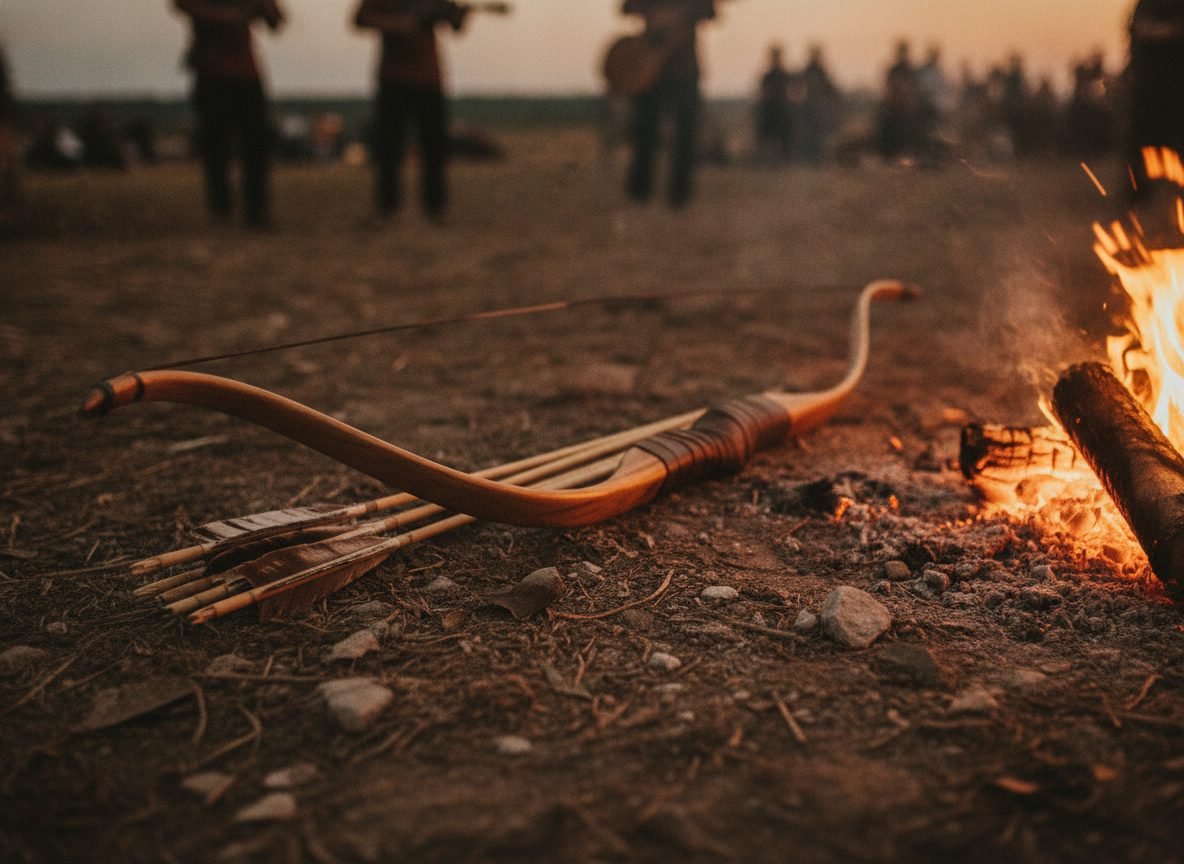
On Lag BaOmer children play with bows and arrows. One meaning of the custom: in Rashbi’s generation, by tradition, no rainbow appeared — the sign that the world deserves punishment. The merit of the righteous protected the generation, and the rainbow was not needed.
The Hebrew word “keshet” means both “bow” and “rainbow.” A bow in children’s hands recalls that in Rashbi’s days the sky needed no sign of forgiveness.
How it is celebrated
Bonfires
The day’s chief symbol — fire until dawn, in memory of the light of Rashbi’s teaching.
Bows and arrows
Children go out with bows — a hint at the rainbow that did not appear in the righteous one’s days.
End of mourning
The Omer restrictions ease: people cut their hair again, play music, and hold weddings.
Rejoicing and picnics
Families head out into nature, cook over the fire, sing, and dance.
Until dawn
While the bonfire burns, no one hurries home — by the fire the night is longer.
The return of joy
The seven weeks of the Omer are marked by restraint: in memory of the plague among Akiva’s students, many do not cut their hair, hold weddings, or listen to live music.
On Lag BaOmer these restrictions are lifted — for one day at least, and in many communities until the end of the count. That is why the festival is so beloved for weddings: joy returns to the world.