
One day of joy among the days of counting
Lag BaOmer (Hebrew ל״ג בעומר) means “the thirty-third day of the Omer.” The name itself is the number: the letters ל and ג add up to thirty-three.
The seven weeks between Passover and Shavuot are the days of the Omer count, marked by semi-mourning: in memory of a plague among Rabbi Akiva’s students, no weddings are held, hair is not cut, music is not heard. On the thirty-third day the mourning is broken — the plague ceased on that very day.
Lag BaOmer is also the day of remembrance of Rabbi Shimon bar Yochai, a great sage of the Mishnah, to whom tradition attributes the book of the Zohar. On the night of his memory, bonfires are lit — an image of the light of the hidden wisdom he brought into the world.
Lag BaOmer in Azerbaijan
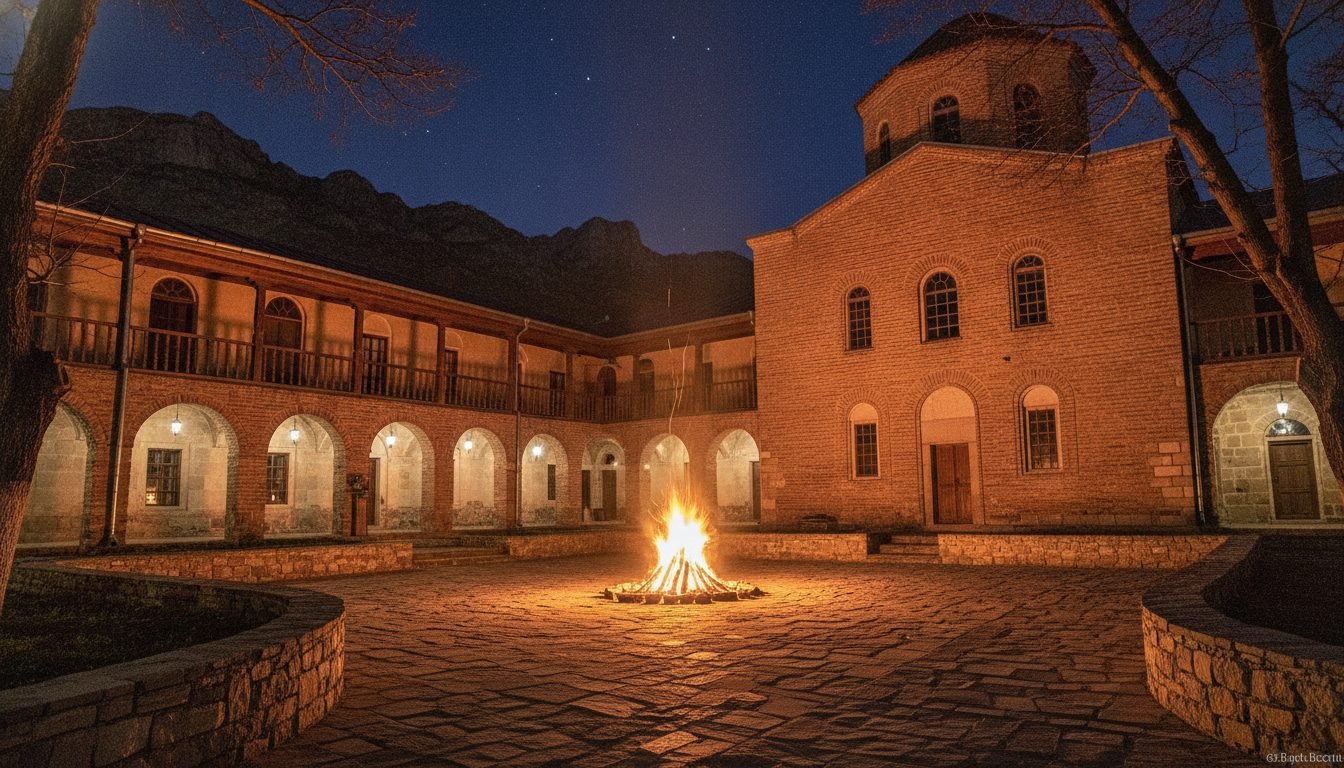
Azerbaijan is home to one of the world’s oldest Jewish communities and a long tradition of interfaith tolerance. On the night of Lag BaOmer, the communities of Baku and Quba gather around the fire, sing, and remember Rabbi Shimon bar Yochai.
A special place belongs to Krasnaya Sloboda (Qırmızı Qəsəbə) near Quba — one of the few places in the world where Mountain Jews live as a compact community. Here, in the Caucasus foothills, the festival is welcomed by the whole community — with the warmth of the fire, hospitality, and the ancient melodies of Juhuri.
Enter the festival
Three facets of Lag BaOmer — the history of the festival and the Omer count, Rabbi Shimon bar Yochai and Mount Meron, the bonfires and customs of the day.



Mount Meron
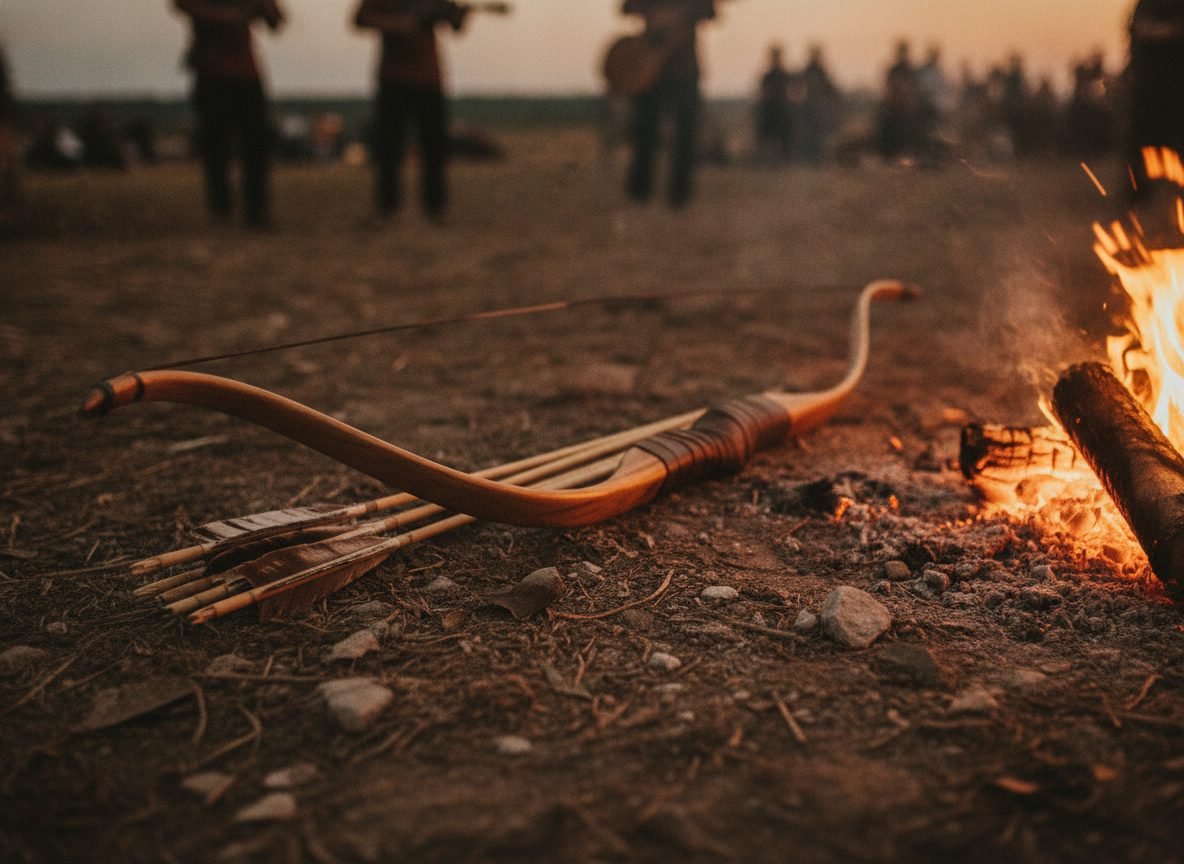
In a single night the whole mountain is covered with fires — as if the stars had come down to its foot.
The festival in numbers
A few numbers that hold this day of fire together.